
Wellness Insights
& Nutrition Tips
Knowledge is the most powerful tool in your wellness journey. Our articles provide evidence-based information on a wide range of nutritional topics, from the science of metabolism to the practicalities of label reading. We break down complex concepts into easy-to-understand guides that help you navigate the modern food environment with confidence.
Understanding Food Labels
Grocery stores can often feel like a minefield of marketing claims, where every package competes for your attention with promises of "natural" or "low-fat" benefits. However, the real story of what you are consuming is hidden in the fine print. Our guide to reading food labels teaches you exactly what to look for—and more importantly, what to ignore.
When examining a label, the ingredient list is your most valuable resource. Ingredients are listed by weight, meaning the first few items make up the majority of the product. If sugar, in any of its various names like high fructose corn syrup or maltodextrin, appears in the top three, the product may not align with your vitality goals. Understanding serving sizes is equally vital; many small packages actually contain two or three servings, which can double or triple the values you see on the front.

By learning to identify hidden additives and focusing on whole, recognizable ingredients, you can choose products that truly support a balanced lifestyle. We encourage you to spend an extra few seconds in the aisle to flip the box over. Those seconds are an investment in your long-term well-being.
The Connection Between Sleep and Nutrition
The relationship between your rest and your plate is profound. Did you know that poor sleep can significantly increase your cravings for sugary and calorie-dense foods? This isn't a lack of willpower; it's a physiological response. When you are sleep-deprived, your body experiences a shift in appetite-regulating hormones.
Ghrelin, the hormone that signals hunger, increases, while leptin, the hormone that tells your brain you are full, decreases. This hormonal imbalance creates a "hunger signal" that is difficult to ignore. Furthermore, a tired brain is less able to make complex decisions, often leading to convenient, less nutritious choices.
Establishing a consistent bedtime routine—limiting blue light exposure, maintaining a cool environment, and avoiding heavy meals late at night—can actually make it easier to stick to your nutritional plan. When you wake up refreshed, your body is better equipped to handle metabolic tasks and your mind is clearer to choose the foods that provide lasting energy rather than a quick sugar spike.
Myth-Busting: Carbohydrates
Carbohydrates have been unfairly demonized in recent years, often blamed for various wellness challenges. However, they remain the primary energy source for your brain and muscles. The key is understanding the difference between simple and complex varieties.
Complex Grains
Oats, quinoa, and brown rice provide steady energy release and essential fiber.
Energy Balance
Proper carbohydrate timing supports physical performance and mental clarity.
The Vital Role of Fiber
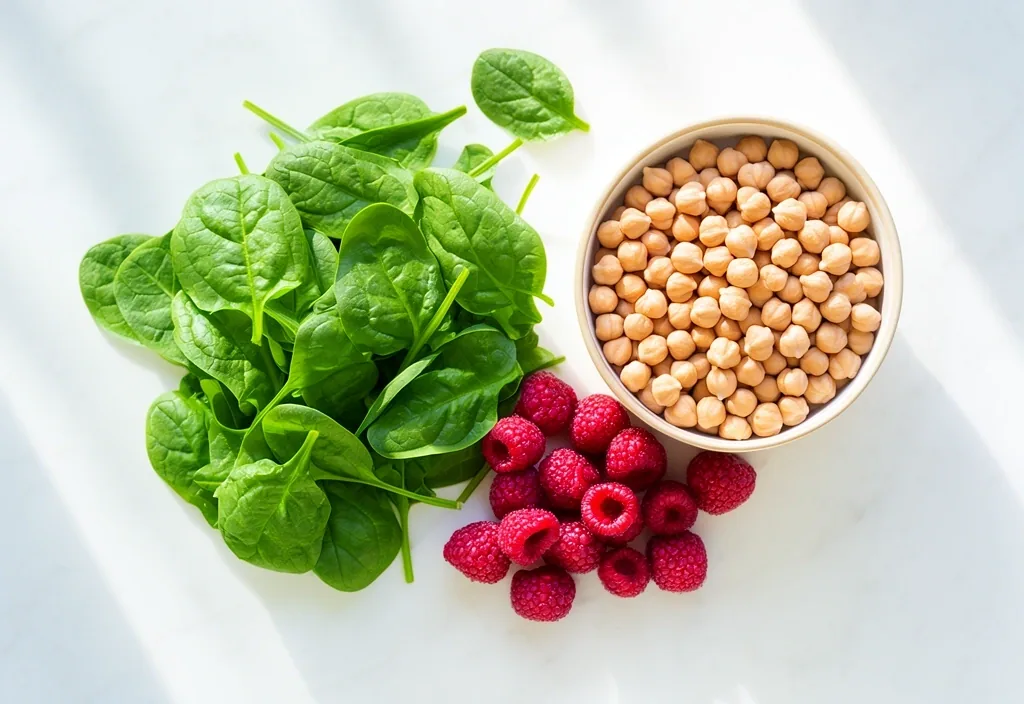
Fiber is the unsung hero of a balanced diet. It supports digestive health, helps manage cholesterol levels, and keeps you feeling full throughout the day. Integrating high-fiber foods like legumes, berries, and leafy greens is a simple yet powerful way to enhance your daily vitality.
- Supports natural digestive rhythms
- Assists in managing energy levels
- Enhances nutrient absorption
Navigating Social Dining in Rome
Eating out is an integral part of life in Italy, particularly here in Rome. It is a time for connection, celebration, and tradition. However, the generous portions and tempting appetizers at your favorite trattoria don't have to derail your wellness goals. Practical tips can help you enjoy the vibrant Roman food scene while staying on track.
The Market Approach
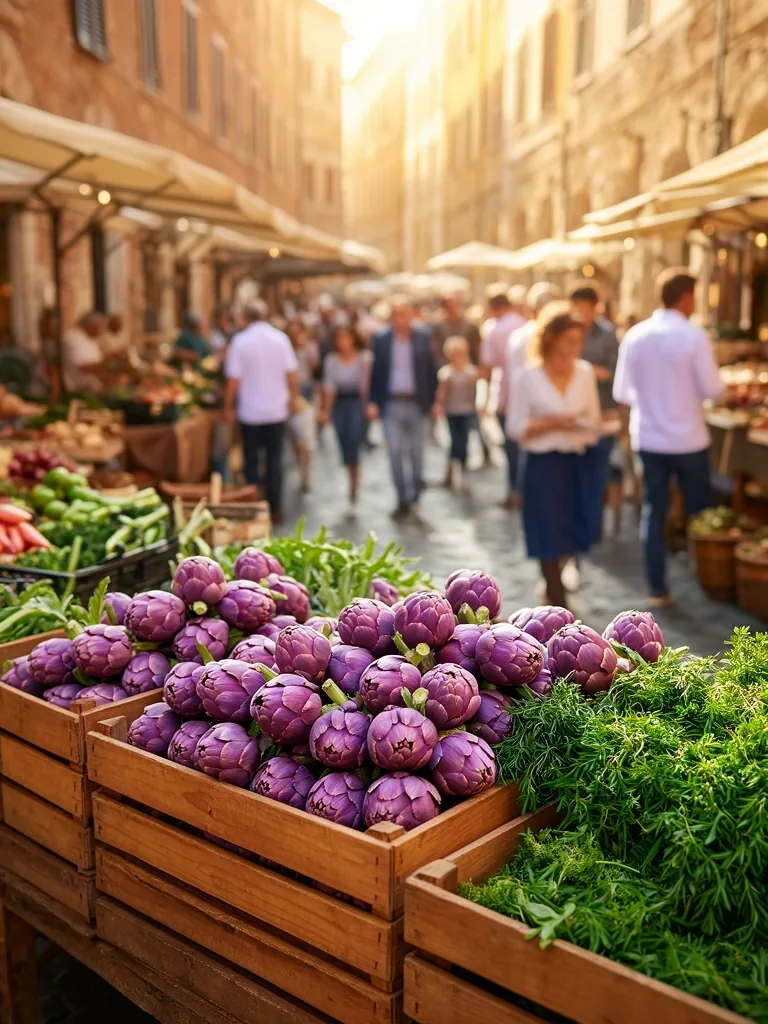
Shopping seasonally at markets like Campo de' Fiori or Testaccio allows you to eat produce at its peak. Seasonal fruits and vegetables are more nutrient-dense and flavorful, helping you save money and cook more nutritiously at home.
Dining Strategy
Consider sharing appetizers among the table or choosing grilled options over fried ones. Focus on the high-quality ingredients that the Mediterranean is known for—fresh olive oil, seasonal greens, and lean proteins.
By developing a positive relationship with local food, you move away from a mindset of restriction and toward one of appreciation and balance. Wellness in Rome is about enjoying the quality of the ingredients and the company of your fellow diners without overindulging.
Ask about local meal planningHydration Science
How much water do you really need? We look beyond the standard "eight glasses" to the science of individual needs. Factors like activity level and climate play a huge role in your daily requirements.
Coffee & Tea
Do your favorite hot beverages count toward your total? Contrary to popular belief, caffeinated drinks can contribute to hydration, though pure water remains the gold standard for metabolic support.
Physical Performance
Even mild dehydration can impact your cognitive function and energy levels. Learning to monitor your body's signals is key to maintaining peak performance throughout your workday.
Developing a Positive Relationship with Food
Wellness is as much about your mindset as it is about your meals. We share strategies for overcoming "food guilt" and building a more intuitive way of eating. This psychological approach is key to maintaining your results for years to come. Instead of seeing food as the enemy or a series of numbers, learn to view it as the nourishment that powers your life.
Stay Informed
Subscribe to our newsletter for weekly wellness insights, seasonal Roman recipes, and evidence-based nutritional updates delivered to your inbox.
Join our wellness community